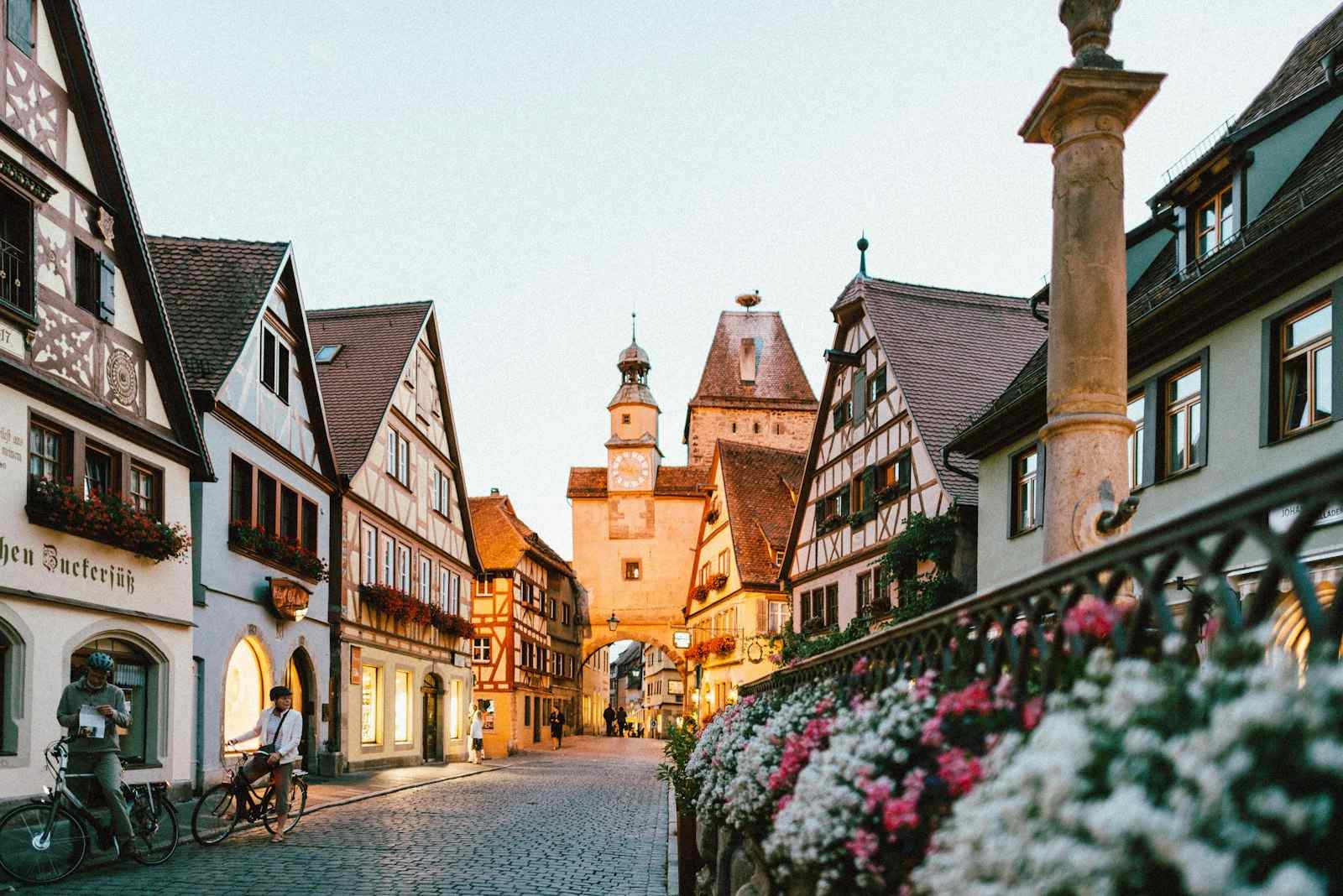
Zagreb rarely makes anyone’s first list of European nomad cities, and that’s precisely its appeal: a compact, walkable capital with Austro-Hungarian architecture, a genuinely good cafe culture, and a location that puts Vienna, Budapest, and the Adriatic coast all within two to three hours, at a fraction of Western Europe’s cost.
Where to base yourself in Zagreb: Donji Grad (Lower Town) or Tresnjevka
- Donji Grad (Lower Town) - the beating heart of daily life, home to most cafes, museums, and the main pedestrian squares, rent for a one-bedroom around 500 to 700 euros
- Tresnjevka - Zagreb’s most diverse and lively district, built around a large daily market, multicultural restaurants, and street art, better suited to creatives and budget-conscious nomads
- Gornji Grad (Upper Town) - the historic hilltop core, cobbled and quiet, best for short stays or anyone prioritizing atmosphere over coworking proximity
Food, Culture, and Daily Life
Zagreb’s food culture draws on Central European staples, strudel, cured meats, hearty stews, alongside a thriving specialty coffee and craft beer scene concentrated around Tkalciceva Street. The city is compact and friendly, with a slower, more local pace than the Croatian coast, and its inland position means it avoids the tourist crush that hits Split and Dubrovnik every summer. Winters are genuinely cold with occasional snow, a contrast worth planning around if arriving from a warmer base.
Getting There and Getting Around
Zagreb Airport sits about 15km from downtown; the Croatia Airlines shuttle bus runs directly to the main bus station in 35 to 40 minutes, while taxis cost roughly 15 to 20 euros. The city center is small enough to walk end to end, supplemented by an extensive tram network for longer trips.
Is Zagreb worth visiting if I’ve already been to Split or Dubrovnik?
Yes, it’s a genuinely different Croatia: inland, Central European in feel, and far less tourist-driven, with its own distinct food, architecture, and pace.
How affordable is Zagreb compared to the Croatian coast?
Noticeably cheaper than Split or Dubrovnik, especially outside summer, making it a practical year-round base with easy weekend access to the coast.