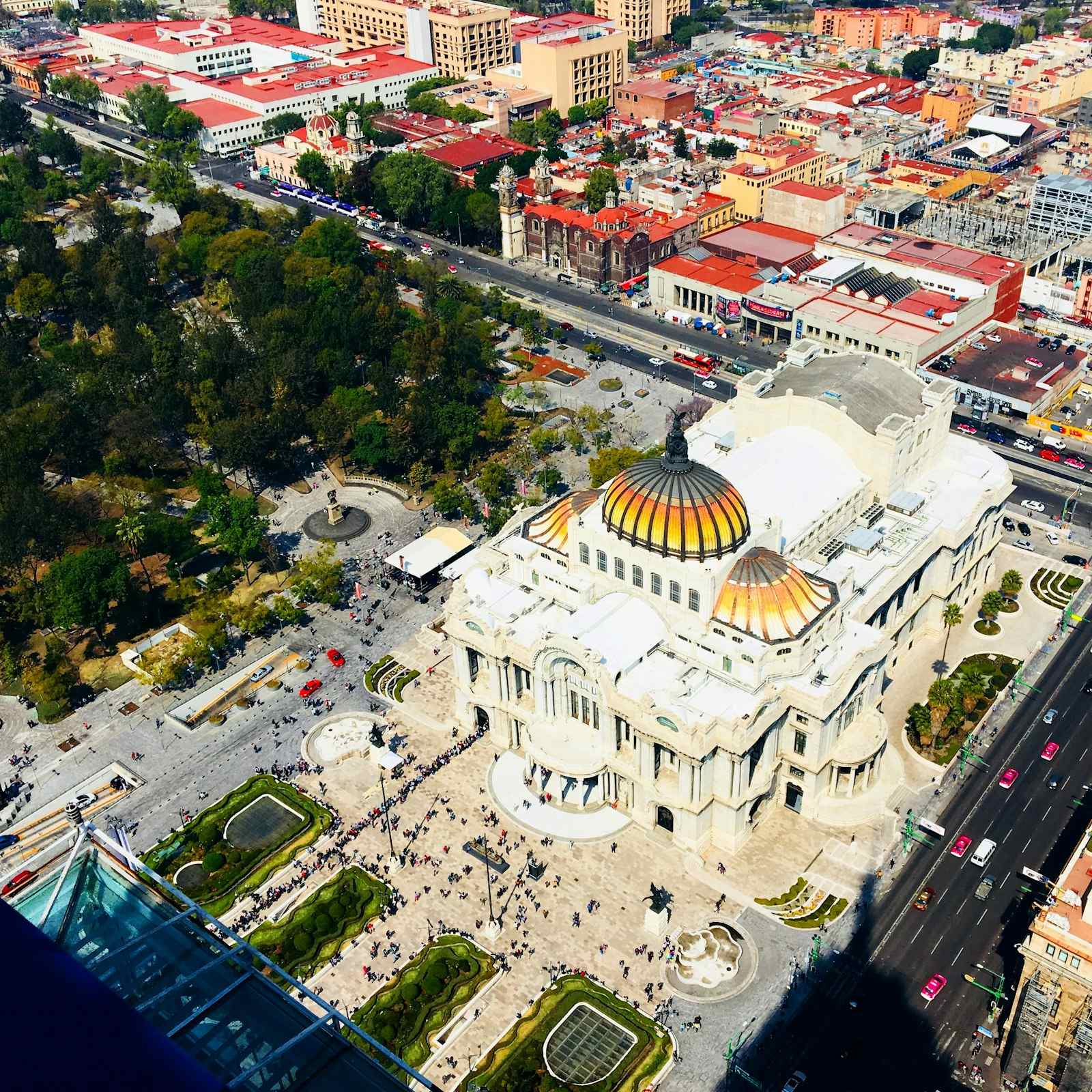
Mexico City in 2026 is less a single destination than a collection of genuinely distinct neighborhoods stitched together by a metro system most nomads underestimate until they use it. At 2,200 meters of altitude, the light is different, the evenings are cool even in summer, and a city of 22 million manages to feel intimate the moment you settle into one of its walkable, tree-lined nomad neighborhoods.
Where to base yourself in Mexico City: Roma Norte or Condesa
- Roma Norte: the highest concentration of coworking spaces (Selina, WeWork, Público, Homework), reliable fiber internet, and the most café-friendly remote-work culture in the city
- Condesa: Roma’s calmer neighbor, with Parque México and Parque España for running and socializing, similar prices, more tree cover
- Polanco: the upscale option: embassies, luxury hotels, corporate offices, furnished apartments from $1,200/month and well above $2,000 for modern units
For a dated, line-by-line monthly budget, read the Mexico City cost of living breakdown.
Food, Culture, and Daily Life
Mexico City’s food scene alone justifies a long stay: taco stands worth building a schedule around sit blocks from some of Latin America’s best fine dining, and the local market culture (mercados, tianguis) rewards anyone willing to shop like a local rather than order everything through an app. Culturally, this is a genuinely artistic, historically dense city: museums, murals, and a real intellectual scene sit alongside the coworking-and-mezcal nomad layer that’s grown over it.
Getting There and Getting Around
Mexico City International Airport (Benito Juárez) connects to the center via Metro Line 5, authorized airport taxis, or ride-hailing apps, with travel time to Roma/Condesa running 30–60 minutes depending on traffic. The single most important safety note for arrival: only use official taxi stands inside the terminal or a pre-booked private service: street taxis hailed outside the airport have a real, well-documented poor reputation, unlike the city’s day-to-day taxi and ride-hailing options once you’re settled.
Is Mexico City safe for digital nomads?
Within Roma Norte, Condesa, Polanco, Coyoacán, and Juárez, yes. These are well-established, walkable, low-risk areas. Safety varies significantly outside them, so research any neighborhood before committing to it.
Does the altitude actually affect remote work or daily life?
Most people adjust within a few days: mild breathlessness on stairs or exercise is common initially, but it’s rarely disruptive to work. It does keep evenings cooler than the tropical-nomad-hub norm, even in summer.