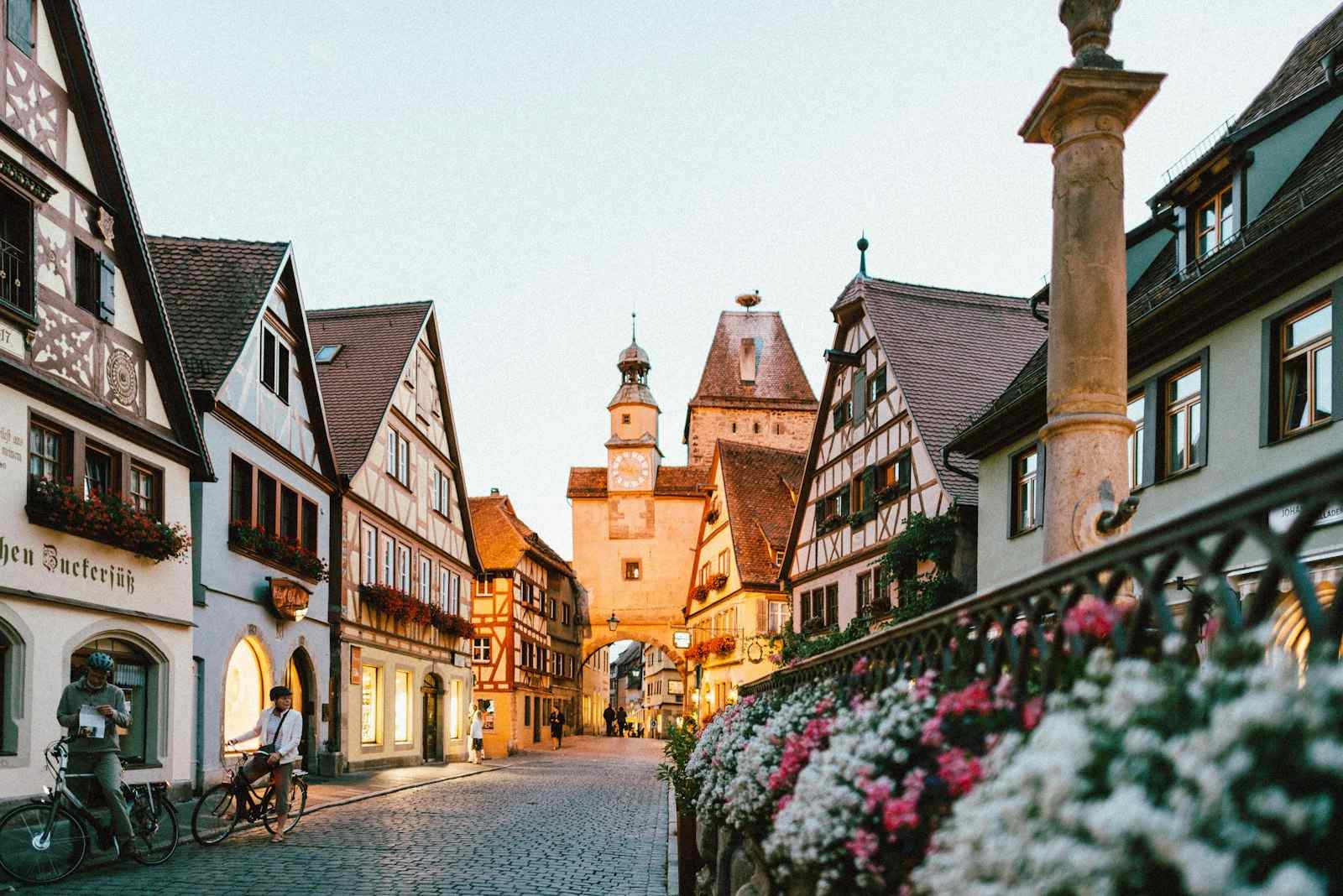
Tallinn is the rare old town that isn’t a preserved shell. Medieval towers and cobbled lanes sit a five-minute walk from some of the fastest, most fully digitized public services in Europe, and that contrast, storybook exterior, e-government interior, is exactly what makes Estonia’s capital an unusually good fit for anyone who works online for a living.
Where to base yourself in Tallinn: Kalamaja or Old Town (Vanalinn)
- Kalamaja - a former fishing and industrial district turned creative quarter, wooden houses, the Telliskivi Creative City complex, and the highest concentration of cafes and coworking spots in the city
- Old Town (Vanalinn) - the UNESCO-listed medieval core, best for short stays or anyone who wants turrets and cobblestones outside their window, though it thins out fast once tourist season ends
- Pohja-Tallinn - just north of Kalamaja, more residential and noticeably cheaper, popular with longer-term nomads who want space without leaving walking distance of downtown
Food, Culture, and Daily Life
Estonian food culture blends hearty Baltic staples (rye bread, smoked fish, black pudding around Christmas) with a genuinely sophisticated modern restaurant scene that has expanded fast in Kalamaja and the Old Town. Tallinn’s identity is quietly tech-forward: this is the country that built Skype and runs its entire government on e-Residency infrastructure, and that mindset shows up in everyday life, from public wifi coverage to how quickly anything administrative gets done online. Winters are long and dark, with daylight shrinking to a few hours by December, which shapes the local cafe culture into something cozy rather than outdoor.
Getting There and Getting Around
Tallinn Airport is one of the most central in Europe, about 4km from downtown, reachable by tram in 15 minutes or taxi in under 10. Public transport within the city, trams and buses, is free for registered residents and cheap for everyone else, and the whole center is compact enough that most nomads never bother with a car.
Is Tallinn expensive compared to other European nomad hubs?
Mid-range. It costs more than Budapest or Krakow but noticeably less than Western European capitals, with the advantage of excellent digital infrastructure baked in.
What is Tallinn like in winter for remote workers?
Dark and cold, with daylight down to around 6 hours by December, but cozy cafe culture, strong indoor coworking options, and fast internet make it very workable if you plan for the season psychologically.