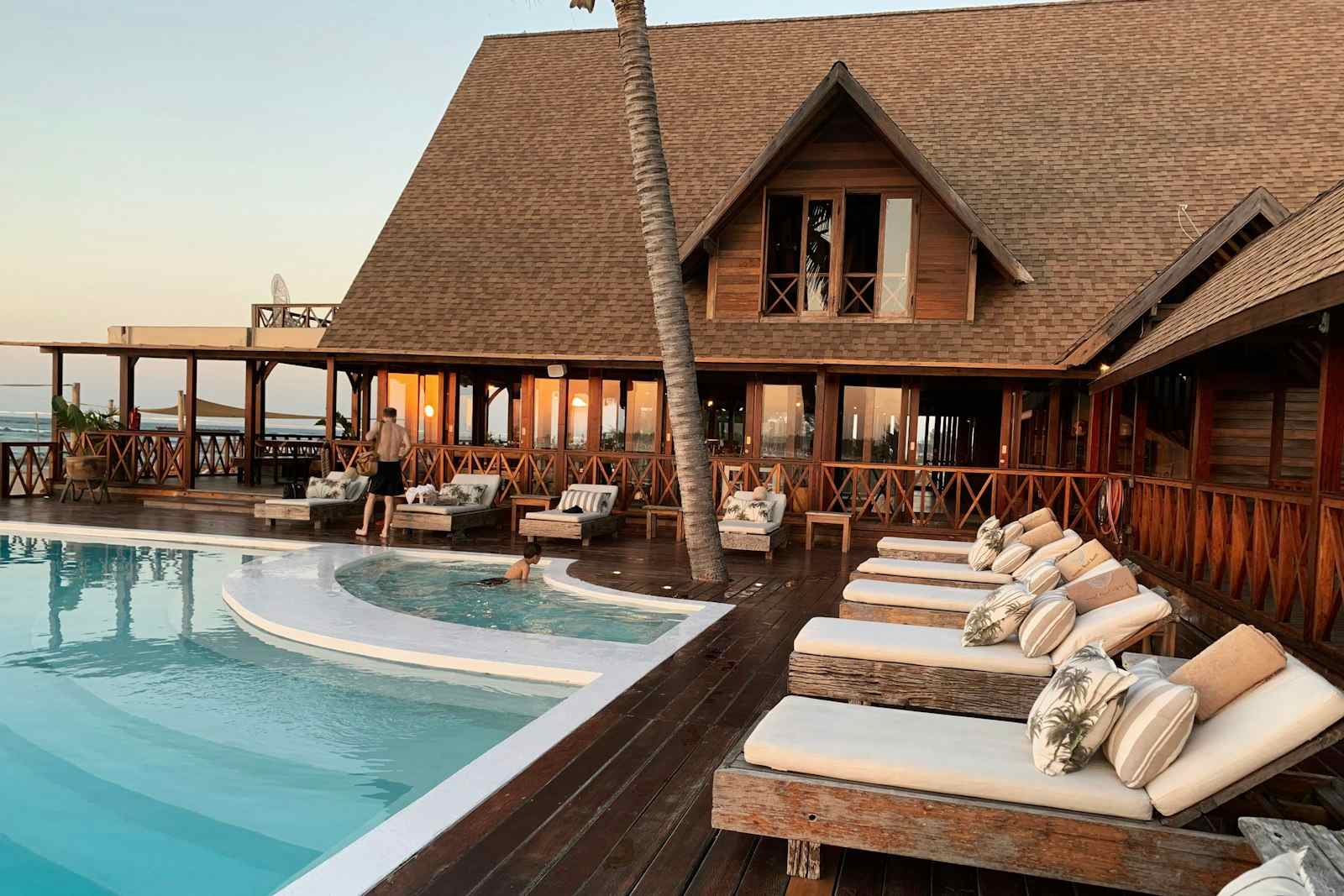
Malta’s Nomad Residence Permit combines two things few nomad visas offer together: English as an official language (zero language barrier for admin or daily life) and one of the more genuinely favorable tax deals in Europe: a full first-year exemption followed by a flat 10% rate, not a reduced-but-still-progressive scale.
- Official name
- Nomad Residence Permit
- Income requirement
- ~€3,500/month gross (~€42,000/year)
- Duration
- 1 year, renewable
- Tax treatment
- 12-month exemption, then flat 10% on authorized work income
- Dependents
- Additional 20% of Malta’s median wage per dependent
- Language
- English is an official language of Malta
Who Qualifies
- Non-EU/EEA citizens performing remote work for employers or clients based outside Malta
- Gross monthly income of at least ~€3,500 (updated from a previous €2,700 threshold to track Malta’s rising cost of living)
- An additional ~20% of Malta’s median wage in income for each dependent, if relocating with family
- Health insurance and proof of accommodation in Malta
Required Documents
- Valid passport
- Bank statements covering the last 3 months
- Tax returns or tax payment certificates from your home country
- Employment or service contract detailing your role and salary
- Payslips from the last 3 months
- Health insurance valid in Malta
The Tax Deal, Explained
- First 12 months as a tax resident: full exemption from Maltese income tax on authorized work income
- After the exemption period: flat 10% Maltese income tax rate on authorized work income
- ‘Authorized work’ means remote work for foreign employers or clients, income from Maltese sources doesn’t qualify for this rate
- Since you’re not employed locally, you generally don’t pay Maltese social security contributions either
How to Apply: Step by Step
- Confirm your gross monthly income clears the ~€3,500 threshold (plus 20% of median wage per dependent, if applicable).
- Gather 3 months of bank statements and payslips, plus your home-country tax documentation.
- Purchase health insurance valid in Malta.
- Secure proof of accommodation in Malta.
- Apply through Residency Malta’s Nomad Residence Permit portal.
- Once approved and resident, register with the Malta Tax and Customs Authority to apply the exemption/10% tax treatment correctly.
Common Mistakes
- Assuming the flat 10% rate applies from day one: it only kicks in after the first 12-month exemption period
- Not distinguishing ‘authorized work’ income from other income when filing, only remote foreign-client income qualifies for the special rate
- Underestimating Sliema/St Julian’s rent, which runs well above the rest of Malta
Is the 10% tax rate immediate, or does it start later?
It starts after your first 12 months as a tax resident, which come with a full exemption on authorized work income, the 10% flat rate applies from month 13 onward.
Does the 10% rate apply to all my income?
No. Only income classified as ‘authorized work,’ meaning remote work performed for employers or clients based outside Malta. Other income types are taxed under standard rules.
Do I pay Maltese social security contributions?
Generally no, since you’re not locally employed, but confirm your specific situation, especially if you have any Malta-sourced income streams.
Is €3,500/month gross or net?
Gross: verified through payslips, bank statements, and tax documentation from the last 3 months.
Official Resources
Related Destinations for Malta Nomad Permit
Sliema and surrounding areas are convenient:
- Sliema / St. Julian’s: Walkable, English-speaking, strong expat scene (~$1,800–2,400/mo).
- Valletta for historic vibe.
City Links
More Value for Nomads
Malta’s tax advantages are powerful when combined with our tax residency and banking guides.
Essential Cross-Links